
Preview · Under constructionYou are viewing the new SARC website. The classic site is still available while we finish the move.

Montana State University
Montana Agricultural Experiment Station · Since 1910

Southern Agricultural Research Center

Serving the land-grant mission in south-central Montana. Research and outreach for dryland and irrigated agriculture across nine counties, from the Huntley Project to the Musselshell.

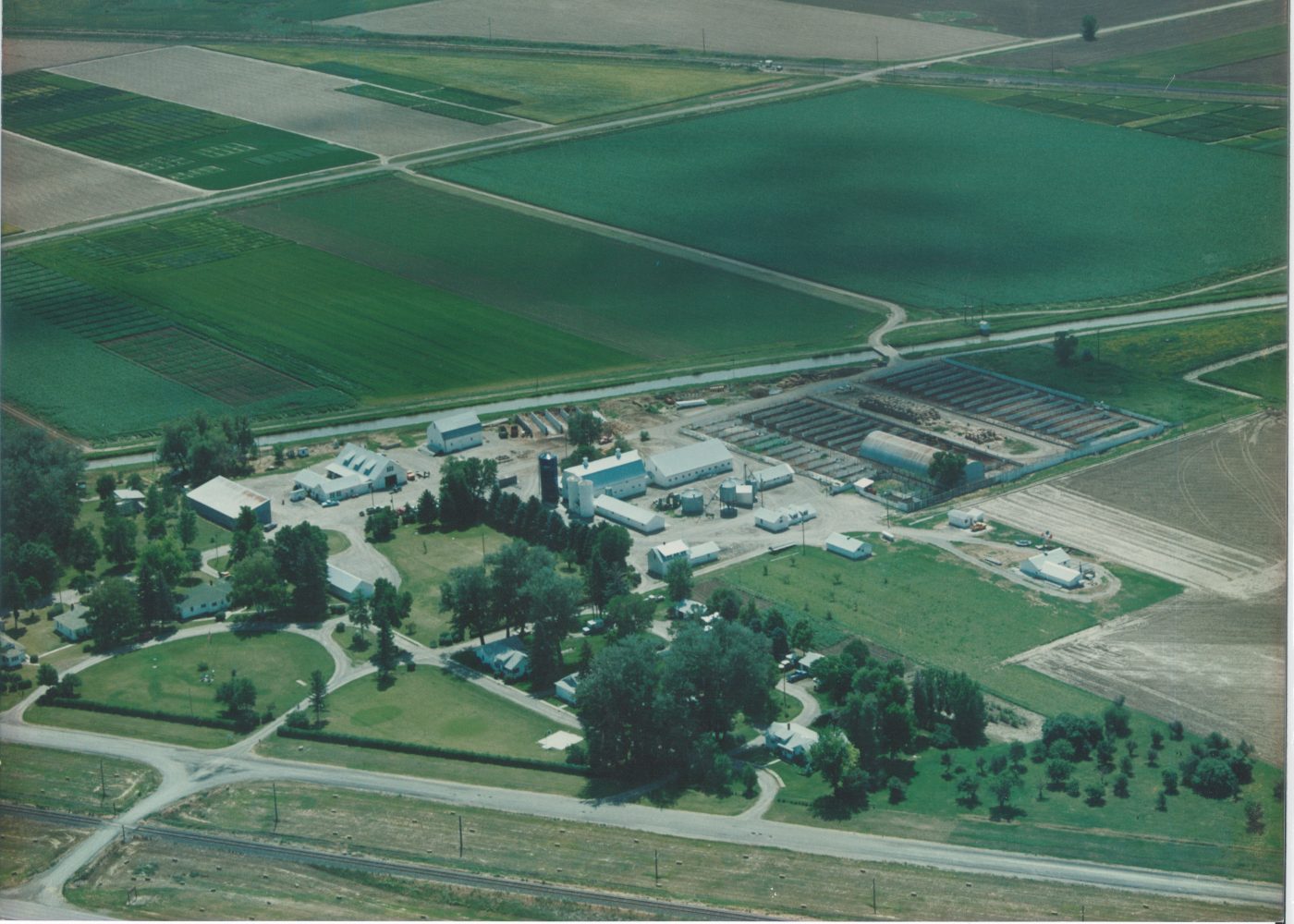
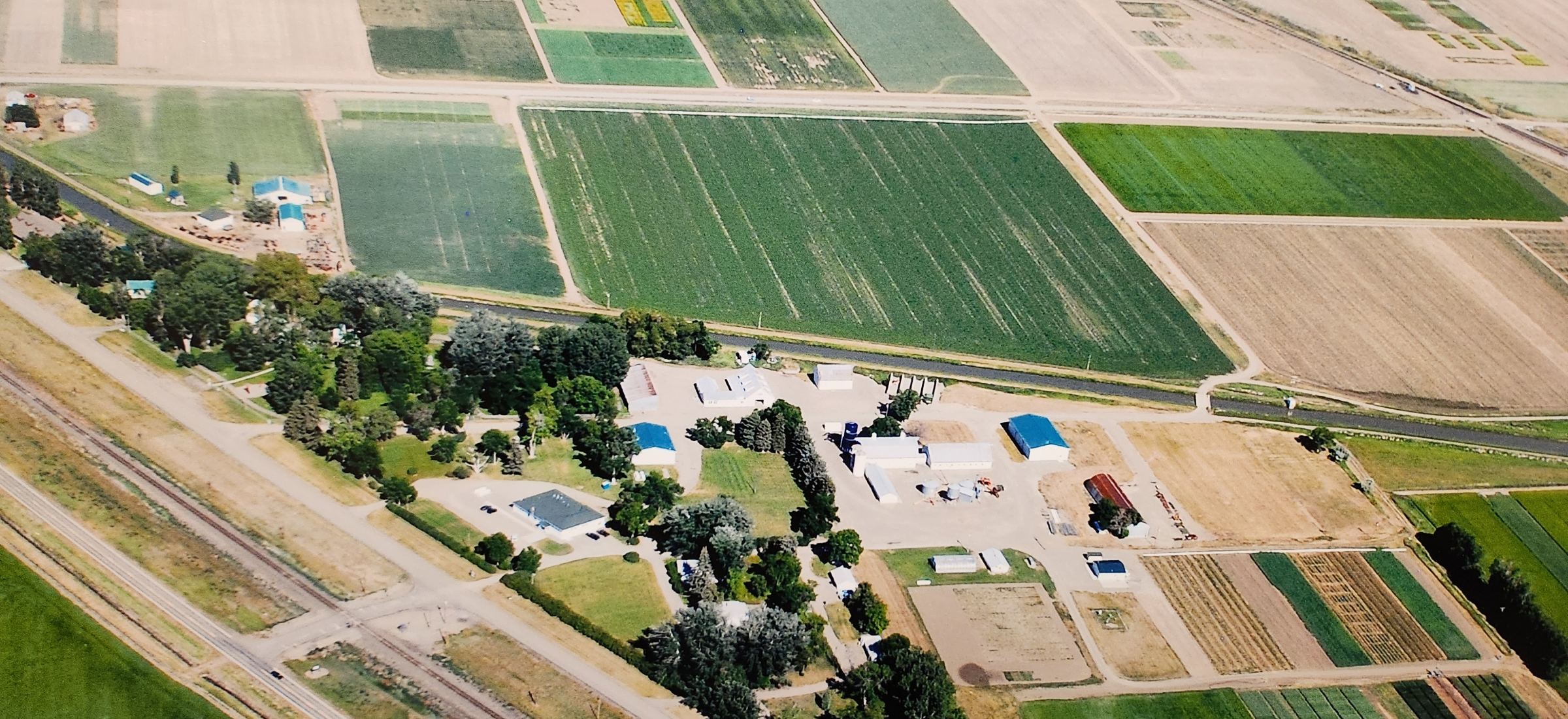
SARC from the air, 2012 · SARC Archives

Research programs

Our scientists and programs

Two research programs anchor SARC’s work. Invite us to your grower meeting, ask for a consultation, or request a field visit.

All programs
EN-GEM LabAgronomy · EN-GEM Lab

Agronomy Program

EN

Dr. Eeusha Nafi

Assistant Professor, Agronomy Research & Extension

  • Crop adaptation and variety evaluation
  • Soil, nutrient and water management
  • Diversified cropping systems
  • Perennial and emerging crops
Crops we work with
  • Winter wheat
  • Spring wheat
  • Barley, incl. malting
  • Peas
  • Lentils
  • Chickpeas
  • Forage cereals
  • Sorghum
  • Alfalfa
  • Kernza
  • Perennial wheat & rye
  • Perennial flax

Small grainsPulsesForagesPerennial & emerging

Decision toolsHerbicide Selection, Fertilizer Recommendation, Seed Rate Calculator, Winter Wheat Planting Outlook and more

Team: Samundra Sigdel (Sam), Research Associate

Ask Dr. Nafi
Planning a winter meeting, field day or crop adviser training?Ask either scientist for a seminar, a one-on-one consultation, or a visit to look at a field problem.

Our mission

A land-grant mission, close to home

Land-grant universities exist to put science to work for the people of their state. In Montana that university is Montana State University, and SARC is one of the places where that promise reaches the farm gate.

The Morrill Act of 1862 gave every state federal land to found a public college of agriculture and the mechanic arts. The Hatch Act of 1887 added an agricultural experiment station at each of those colleges, and the Smith-Lever Act of 1914 created Cooperative Extension to carry research to farms, ranches and communities. Together they define the land-grant mission: teaching, research and extension.

Montana founded its land-grant college and the Montana Agricultural Experiment Station (MAES) in 1893. Today MAES works hand in hand with MSU’s College of Agriculture, and its seven research centers bring that research to every corner of the state. SARC answers the questions of south-central Montana.

“To conduct and promote studies, scientific investigations and experiments relating to agriculture.”

The research mission of the experiment station, from Montana law
Want to know the history of this research center?From a 1907 Reclamation demonstration farm on the Huntley Project to a modern research center: more than a century of research at Huntley.
Explore our history
  1. 1862

    Morrill Act

    Federal land grants found public colleges of agriculture and the mechanic arts.

  2. 1887

    Hatch Act

    Federal funding for an agricultural experiment station at each land-grant college.

  3. 1893

    MSU and MAES founded

    The Agricultural College of the State of Montana and the Montana Agricultural Experiment Station open in Bozeman.

  4. 1910

    Research begins at Huntley

    A cooperative agreement among USDA, the Department of the Interior, MAES and Montana State College starts what is now SARC.

  5. 1914

    Smith-Lever Act

    Cooperative Extension carries research to every county, including MSU Extension offices across our nine counties.

Land-grant university

Montana State University

Montana’s land-grant institution: teaching, research and extension.

Research and teaching

College of Agriculture & MAES

Faculty in Bozeman and at research centers, working as one research system.

Statewide network

Seven research centers

Each tests crops and practices under its region’s own soils, water and climate.

South-central Montana

SARC, Huntley

Research on dryland and irrigated crops, shared through field days, reports and Extension.

Aerial view of SARC buildings and research plots, 1992
SARC from the air, 1992 · Photo: SARC Archives
SARC at a glance

A field station on the Huntley Project

SARC is a 462-acre research farm in the Huntley Project, about 20 miles east of Billings. Its irrigated and dryland fields let us test crops under the same conditions growers face across the region.

462acres of research land, irrigated from the Yellowstone River
1910year research began on the Huntley station
1 of 7MAES research centers across Montana
24advisory committee members from nine counties

About SARC Our history

Research infrastructure

Facilities at SARC

The 462-acre research center at Huntley supports field experiments, sample processing, and grower education in dryland and irrigated agriculture. Research is conducted at the station and on cooperating farms across south-central Montana.

462 acresResearch center, Huntley, MT
50 × 70 ftMaintenance and repair shop
1,584 ft²On-site greenhouse facility
Photo placeholder for Main office and conference center

Main office and conference center

Main office, workspaces, and conference space support research planning, professional meetings, Extension events, and engagement with area growers.

Photo placeholder for Farm shop and maintenance

Farm shop and maintenance

A 50-by-70-foot farm shop provides space for equipment maintenance, repairs and preparation for field operations.

Photo placeholder for Grain and seed storage

Grain and seed storage

Grain and seed storage and handling areas support research harvest logistics and postharvest processing.

Photo placeholder for Enclosed equipment sheds

Enclosed equipment sheds

Enclosed sheds provide protected storage for machinery and research equipment.

Photo placeholder for Open equipment shelters

Open equipment shelters

Open-sided equipment shelters accommodate tractors, implements and seasonal field operations.

Photo placeholder for Irrigation infrastructure

Irrigation infrastructure

Field irrigation draws on surface water delivered through the Huntley-Worden Irrigation District, with groundwater from two on-station wells and supporting field-scale systems.

Photo placeholder for Greenhouse facility

Greenhouse facility

A greenhouse structure provides additional facility capacity. Availability for specific research projects should be confirmed before planning experiments.

Photo placeholder for Seed and soil laboratories

Seed and soil laboratories

Seed and soil laboratory spaces support sample preparation, grain and seed evaluation, and complementary crop measurements.

SARC's semi-arid environment, approximately 12–14 inches of annual precipitation, and irrigated and dryland fields make the station well suited to examining crop adaptation and resource management. Dominant on-station soils reported for the research program include Fort Collins and Thurlow clay loams and Lohmiller silty clay. Photos are labeled placeholders until SARC images are added.

The region we serve

Nine counties, two kinds of farming

SARC serves Big Horn, Carbon, Golden Valley, Musselshell, Stillwater, Sweet Grass, Treasure, Wheatland and Yellowstone counties: dryland wheat and rangeland on the benches, and irrigated sugarbeet, corn, malt barley and alfalfa along the Yellowstone and its tributaries.

$619.8Mfarm and ranch sales, 2022
3,694farms and ranches
9.9Macres in farms and ranches
290Kirrigated acres
373Kcattle and calves

Service area map

All nine counties

$619.8M farm sales · 3,694 farms · 290K irrigated ac
Hover a county or the map to compare.
Crop salesLivestock salesTop crops by 2022 harvested acres

The Huntley Project

SARC’s home: four farm towns on one Reclamation irrigation project east of Billings.

  • Huntley
  • Worden
  • Ballantine
  • Pompeys Pillar

Around Billings

Montana’s largest city is the market, service and processing hub for the region’s farms and ranches.

  • Billings
  • Lockwood
  • Shepherd
  • Laurel

County seats

Farm and ranch communities across the nine counties, each served by MSU Extension.

  • Hardin
  • Red Lodge
  • Ryegate
  • Roundup
  • Columbus
  • Big Timber
  • Hysham
  • Harlowton
  • Billings

Source: USDA NASS 2022 Census of Agriculture. Some county values are withheld by USDA to protect individual farms.

Agriculture in the region

What the region grows

Hay and winter wheat cover the most ground. Irrigated crops such as sugarbeets and corn take far fewer acres but carry high value per acre.

Hayalfalfa and other hay346K ac
Winter wheatmostly dryland210K ac
Barleyfeed and malt70K ac
Spring wheatexcluding durum34K ac
Corngrain 15K · silage 12K27K ac
Sugarbeetsirrigated21K ac
Dry peas8,061 ac

Harvested acres in the nine counties, 2022 Census of Agriculture (published county values). Gold bars: crops grown mainly under irrigation.

Crops and livestock, side by side

Livestock, mostly beef cattle, account for most farm income in the region, and many operations combine both: hay, silage and grain feed the herds.

$248.5Mcrop sales, 2022
$371.2Mlivestock sales, 2022

Explore crops county by county

The Montana Crop Atlas maps planted acres, harvested acres, yield and value for every Montana county.

Open the Crop Atlas
Water

Irrigation along the Yellowstone

About 290,000 acres in the nine counties are irrigated. SARC sits inside one of the West’s oldest federal irrigation projects.

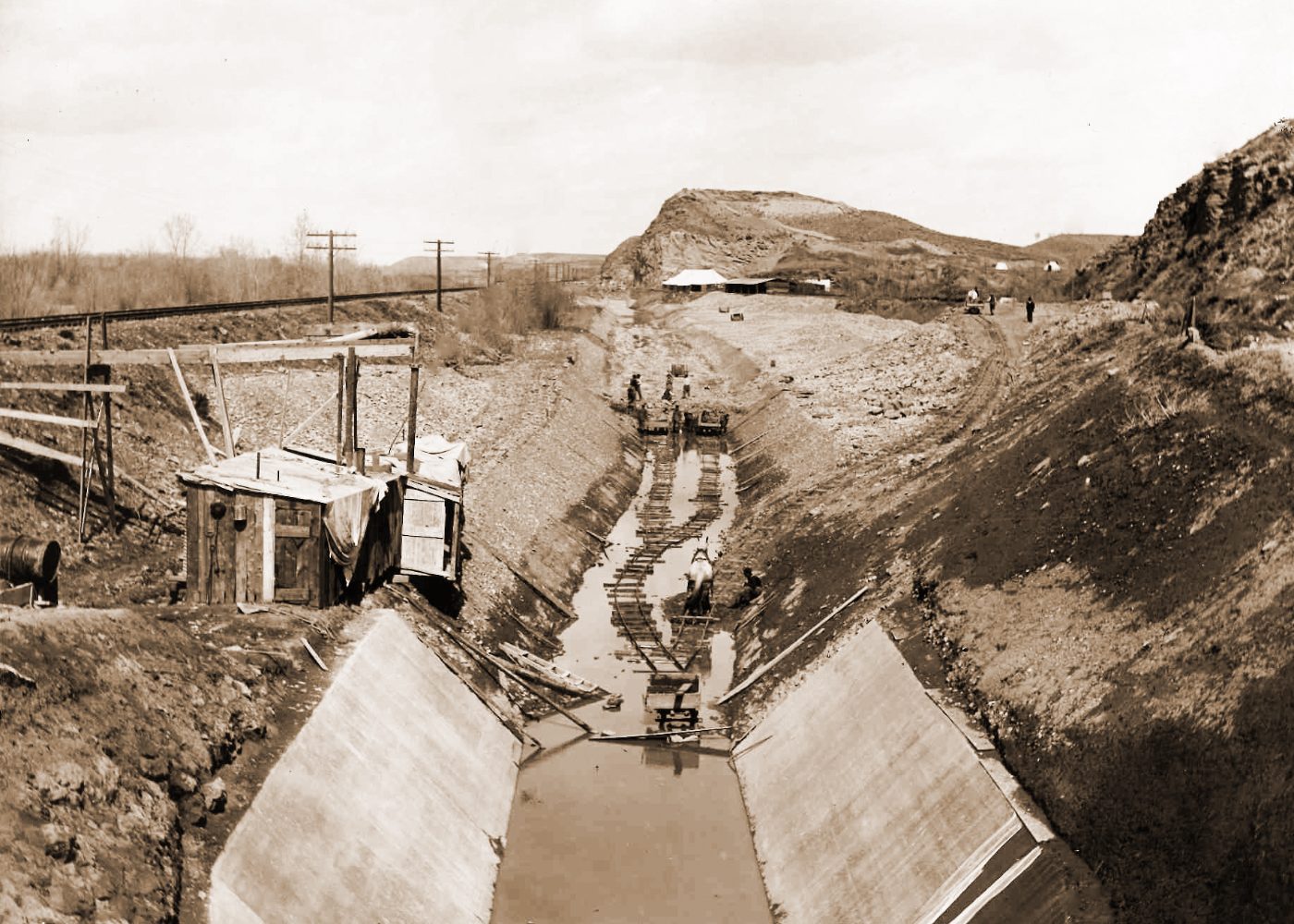
Workers building the Huntley Project main canal, 1906
Building the Huntley Project main canal, 1906 · Photo: U.S. Bureau of Reclamation
SARC’s home district

The Huntley Project

Authorized in 1905 and opened for settlement in 1907, the Huntley Project was one of the first federal reclamation projects. It still diverts the Yellowstone River to irrigate farms around Huntley, Worden, Ballantine and Pompeys Pillar, growing alfalfa, sugarbeets, corn and small grains such as wheat and malt barley.

~30,000irrigated acres
800+family farms
202 miof laterals; 20-mile main canal

Source: Huntley Project Irrigation District, Bureau of Reclamation WaterSMART application (2019).

Other irrigation districts in the nine counties

District or associationCountyWater sourceScaleLearn more
Huntley Project Irrigation DistrictYellowstoneYellowstone RiverNearly 30,000 acres · 800+ family farms · Huntley, Worden, Ballantine, Pompeys PillarReclamation project summary
Billings Bench Water AssociationYellowstoneYellowstone River, diverted at Laurel63-mile main canal · about 1,200 users on the Billings Benchbillingsbenchwater.com
Big Ditch Co., Lockwood Irrigation District and other ditch companiesYellowstoneYellowstone River and tributariesAbout 20 ditch companies and districts across the countyNRCS county plan (PDF)
Crow Irrigation ProjectBig HornBighorn and Little Bighorn riversBighorn, Two Leggins, Agency, Lodge Grass and other unitsBureau of Reclamation
Yellowstone Irrigation DistrictTreasure (and Rosebud)Yellowstone River, diverted west of Hysham13,121 acres · 28.8-mile main canalReclamation summary (PDF)
Hysham Irrigation DistrictTreasureYellowstone RiverPump and canal system serving the Hysham areaMontana DNRC
Rock Creek Water Users Association (Cooney Reservoir)CarbonRed Lodge CreekAbout 20,000 acres · dam completed 1937DNRC fact sheet (PDF)
Deadman's Basin Water Users AssociationWheatland, Golden Valley, MusselshellMusselshell River (off-stream reservoir)40,500 acre-feet through 134 contracts · built 1941DNRC fact sheet (PDF)
News & events

Field days and updates

Latest results
Summer · date to be announced

SARC Field Day

Tour research plots, meet SARC scientists and hear the latest crop, weed and variety results. Details will be posted here.

Plan your visit
Results

Statewide off-station small grain trials

Variety performance from winter wheat, spring wheat and barley trials across Montana.

View trial results
Advisory committee

Advisory committee meetings

Growers, industry and Extension agents from nine counties help set SARC’s research priorities.

Read the minutes

Visit the research center

About 20 miles east of Billings on the Huntley Project, along the Yellowstone River.

Address

748 Railroad Hwy
Huntley, MT 59037
Get directions

Contact

(406) 994-3403
sarc@montana.edu

Office hours

Weekdays, 8:30 am to 4:30 pm
Superintendent: Dr. Kent McVay

Ask an expert

Request a seminar, consultation or field visit

Tell us what you need. This opens an email to the scientist, filled in from this form; nothing is sent until you press Send.

Type of request

You can also call SARC at (406) 994-3403.